This article is (c)2023 Midwest Rail Rangers, a 501(c)(3) non-profit historical organization.
The Chicago, Burlington & Quincy Railroad (CB&Q), popularly known as the Burlington Route, suggests images of big-time railroading with the largest fleet of streamliners in the United States: the Burlington Zephyrs.
In the above interview from December 2021, Midwest Rail Rangers President Robert Tabern had the chance to talk with Peter Budd, the great grandson of CB&Q President Ralph Budd. Peter is a truck driver in the suburban Twin Cities. His grandfather was John Marshall Budd, the man who was president of the Great Northern Railway and oversaw the merger with the Burlington. Here he discusses his family history and memories.
The actual construction of the Zephyrs was left up to the Budd Company in Philadelphia, Pennsylvania. Budd was founded in 1912 by Edward G. Budd, whose fame came from his development of the first all-steel automobile bodies in 1913, and his company's invention of the "shotweld" technique for joining pieces of stainless steel without damaging its anti-corrosion properties in the 1930s. Edward Budd and CB&Q President Ralph Budd are said to be very distant cousins.
In the above interview from December 2021, Midwest Rail Rangers President Robert Tabern had the chance to talk with Mary Budd Mucci, the granddaughter of Budd Company President, Edward G. Budd. Mary is retired and lives in New Mexico. Her father was Edward G. Budd, Jr., who ended up taking over the business. Here she discusses her family history and memories.
Designs for the first Zephyr were primarily left up to three individuals at the Budd Company. Col. Earl Ragsdale developed Budd's "shotweld" patented system of stainless all-steel construction (described above). Meanwhile, architect Albert Gardner Dean designed the body of the train, including the classic "shovel nose". Albert's brother, Walter Dean, designed the Zephyr's articulated wheel sets, which involved two cars sharing one truck. This was done to make the Zephyr weigh less and be more aerodynamic. While Ralph Budd and Edward G. Budd received most of the attention when it came to the Zephyrs, it is Ragsdale and the Deans who actually did most of the physical design work.
In the above interview from December 2021, Midwest Rail Rangers had the chance to talk with Charlotte Dean Mitchell, the daughter of Zephyr designer Albert Dean. Charlotte is retired and lives in the Twin Cities area. Her uncle was Walter Dean, also co-designer of the Zephyrs. Here she discusses family history and memories.
On April 7, 1934, CB&Q introduced Zephyr #9900. The rakish, shovelnose Zephyr #9900 and combination baggage-buffet-chair car #505, plus coach-parlor-observation car #570 were the vanguard of the Zephyr fleet. Burlington powered its ultramodern motor train with a Winton eight-cylinder 600-horsepower diesel engine. The aerodynamic, pocket streamliner was 197 feet long, carried 72 passengers, and was capable of speeds in excess of 100 miles per hour.
On May 26, 1934, Burlington staged one of the greatest transportation events of the decade when Zephyr #9900 raced 1,015 miles in a record-breaking (13 hours and five minutes) non-stop, dawn-to-dusk run at an average speed of 77.6 mph from Denver to Chicago's Century of Progress Transportation Fair. The Zephyr had set a world record for fast, long distance travel.
Zephyr #9900 was later renamed Pioneer Zephyr and entered into revenue service between Kansas City, Omaha, and Lincoln on November 11, 1934. By the end of the first year of service, the Pioneer Zephyr had earned $895,000 in profits through increased ridership plus lower operating and maintenance costs compared to Burlington steam-powered trains. For CB&Q, the Pioneer Zephyr was the silver bullet that returned passengers to rail travel.
In 1948 and 1949, the Pioneer Zephyr was temporarily removed from service to participate in the Chicago Railroad Fair's "Wheels A-Rolling" pageant. The fair's purpose was to celebrate 100 years of railroad history west of Chicago, and the Pioneer Zephyr's role in the pageant was to highlight the latest strides in railroad technology. It resumed regular passenger operations when the fair ended on October 2, 1949.
By 1955 the Pioneer Zephyr's route had been updated to run between Galesburg, Illinois, and Saint Joseph, Missouri; the trainset had been in continual service since 1934, operating over nearly 3 million miles. The Pioneer Zephyr's last revenue run was a trip from Lincoln, Nebraska, to Kansas City, Missouri, (along the train's regular revenue route) that then continued to Chicago on March 20, 1960.
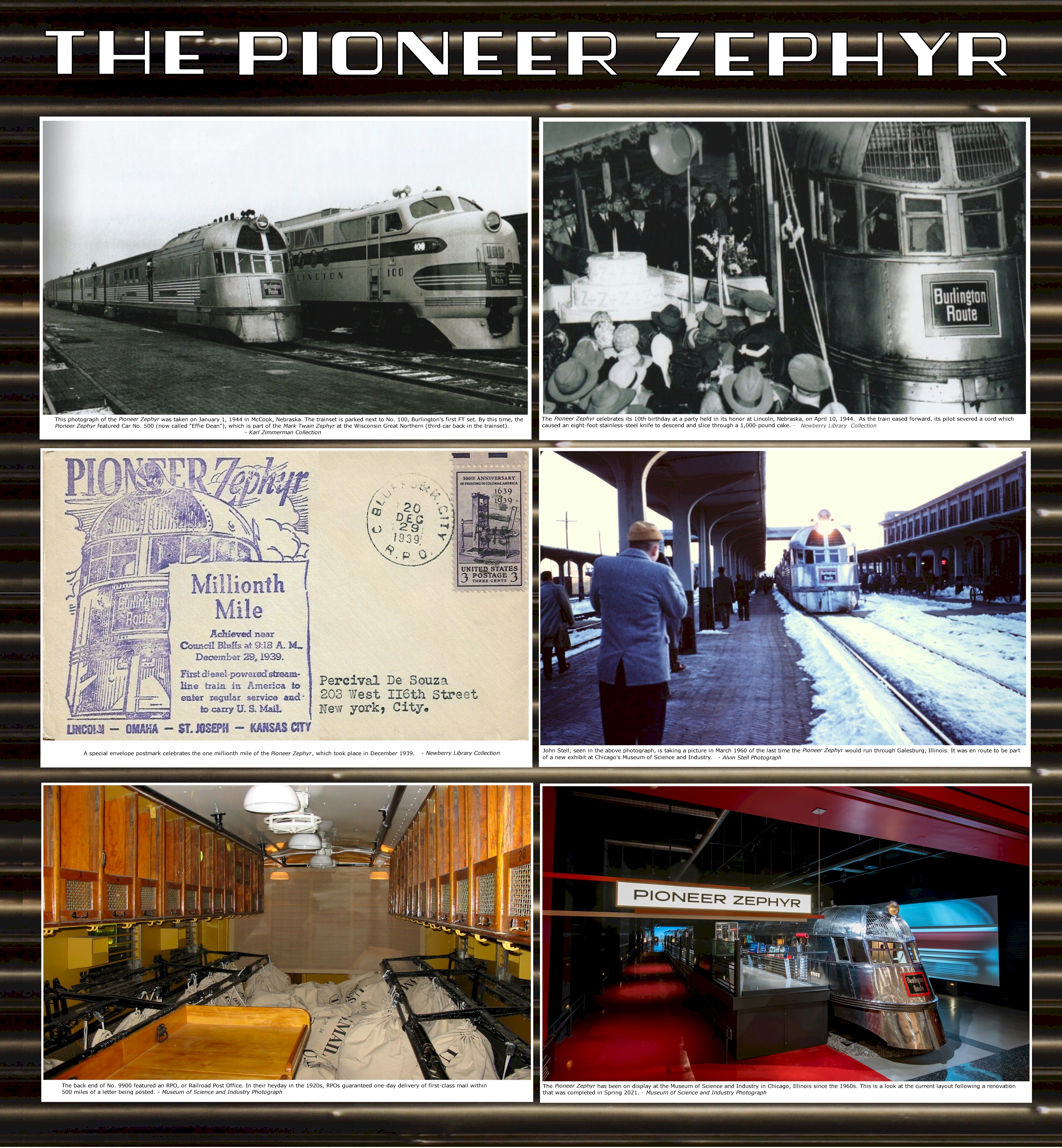
The train was donated to Chicago's Museum of Science and Industry, where it is proudly displayed today.
============================================
============================================
ZephyrHistory.com and NebraskaZephyr.com are maintained by the Midwest Rail Rangers. If you enjoyed the content, please consider making a donation to our 501(c)(3) non-profit rail history organization. For more information, you can e-mail us at board@railrangers.org.
Written by John Kelly with Kandace & Robert Tabern
No part of the materials available at www.ZephyrHistory.com and NebraskaZephyr.com may be copied, photocopied, reproduced, translated or reduced to any electronic medium or machine-readable form, in whole or in part, without prior written consent of: Midwest Rail Rangers Corporation / P.O. Box 184 / Barron, WI 54812 / info@railrangers.org
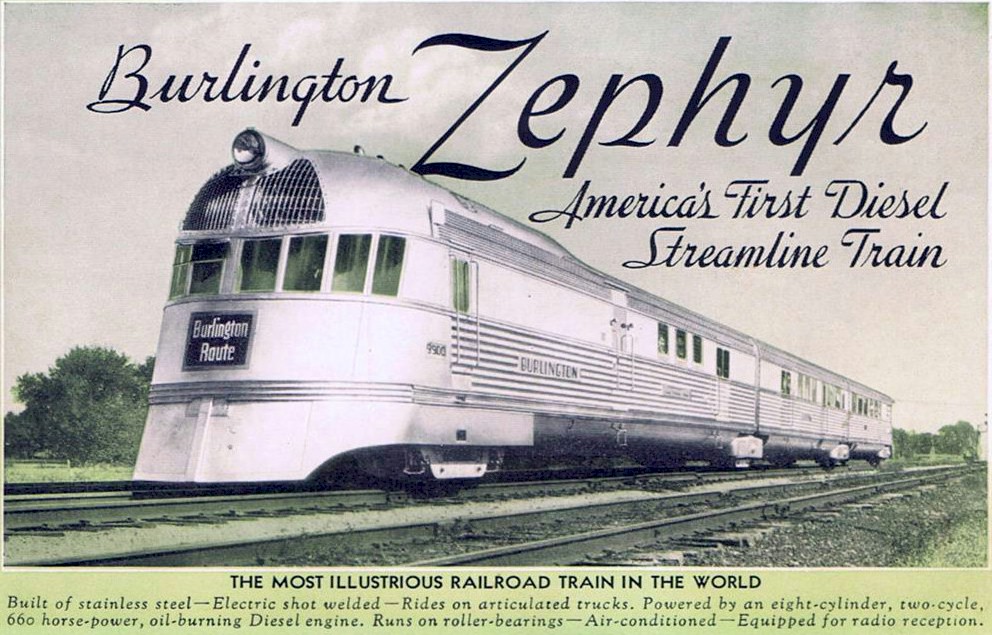
The Zephyr idea originated in 1932 when Burlington President Ralph Budd noticed declining passenger revenue on his railroad because of the Great Depression and the ascendance of automobiles and airplanes. He realized that something unique was needed to lure passengers back to train travel. Ralph Budd chose the name Zephyr for his new train after the "God of West Wind" in Greek mythology.
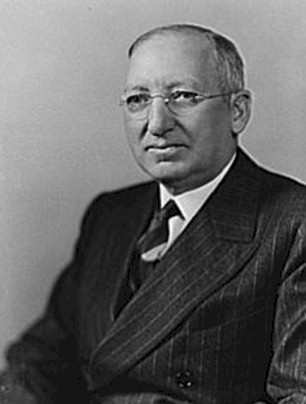
Burlington President Ralph Budd (above) came up with the idea for the Zephyrs.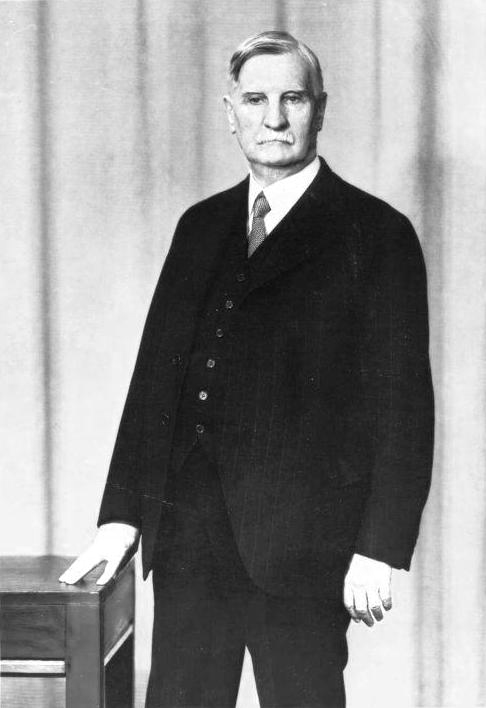
Edward G. Budd, President of the Budd Company, oversaw the building of the Zephyrs for the Chicago, Burlington & Quincy Railroad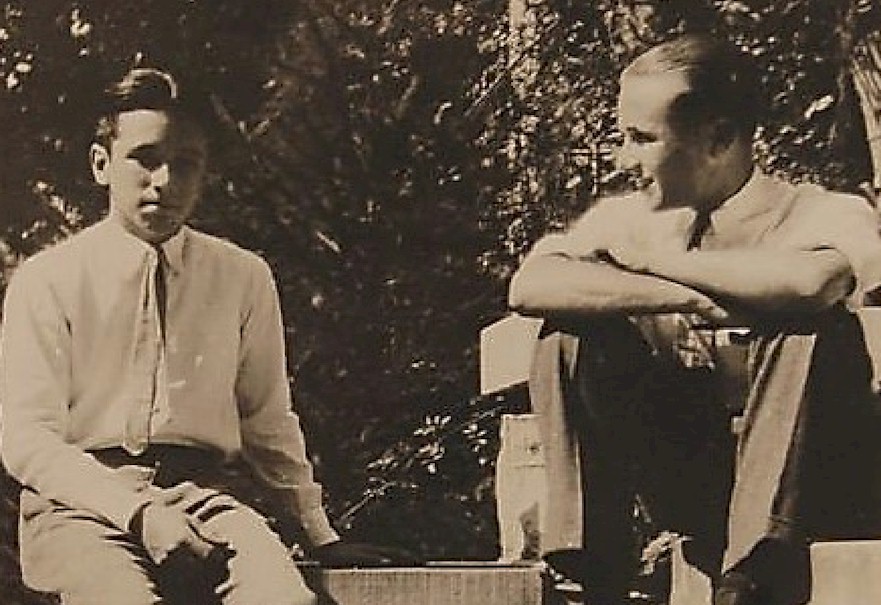
Albert Gardner Dean and Walter Dean played an important role in the Zephyr's design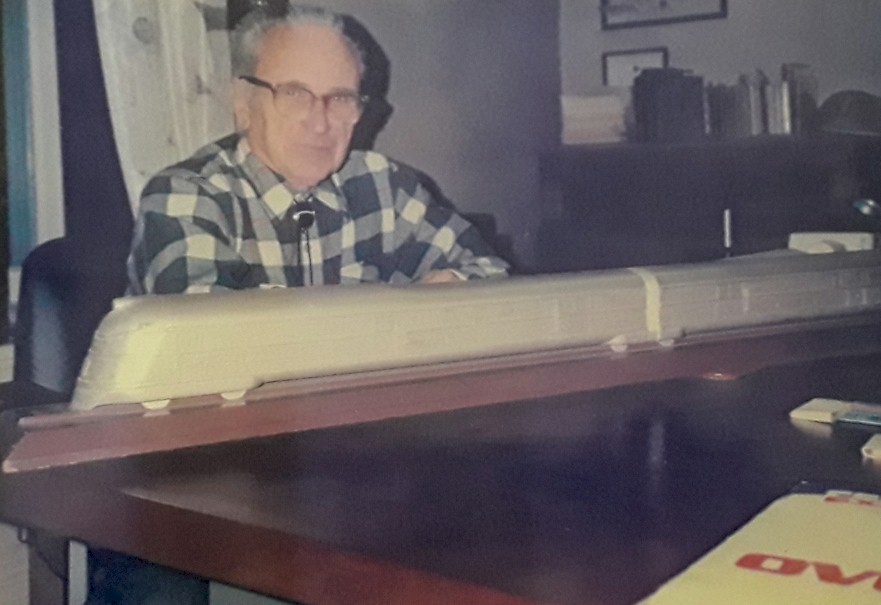
Albert Gardner Dean is seen here in the late 1980s;
the original Zephyr wind tunnel model sits on his desk
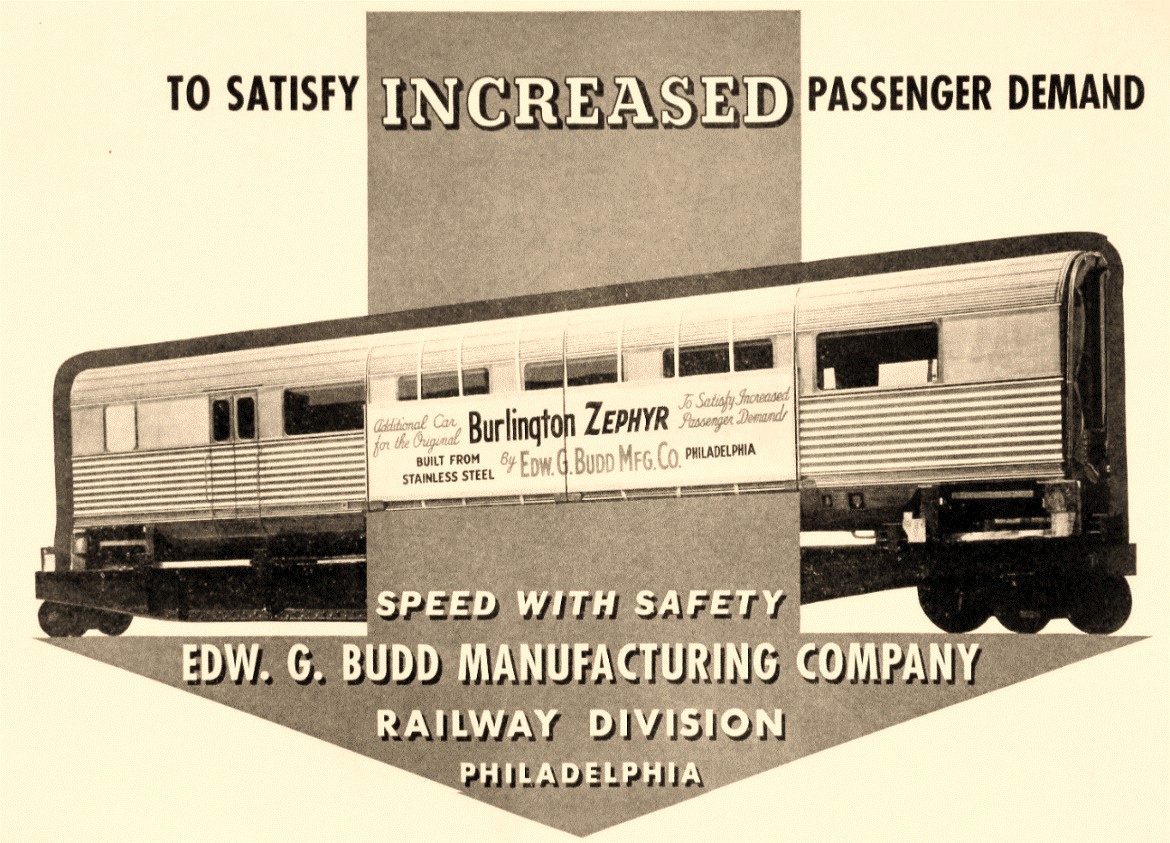
The Pioneer Zephyr was built at Budd's plant in Philadelphia, Pennsylvania
Budd Company Photograph
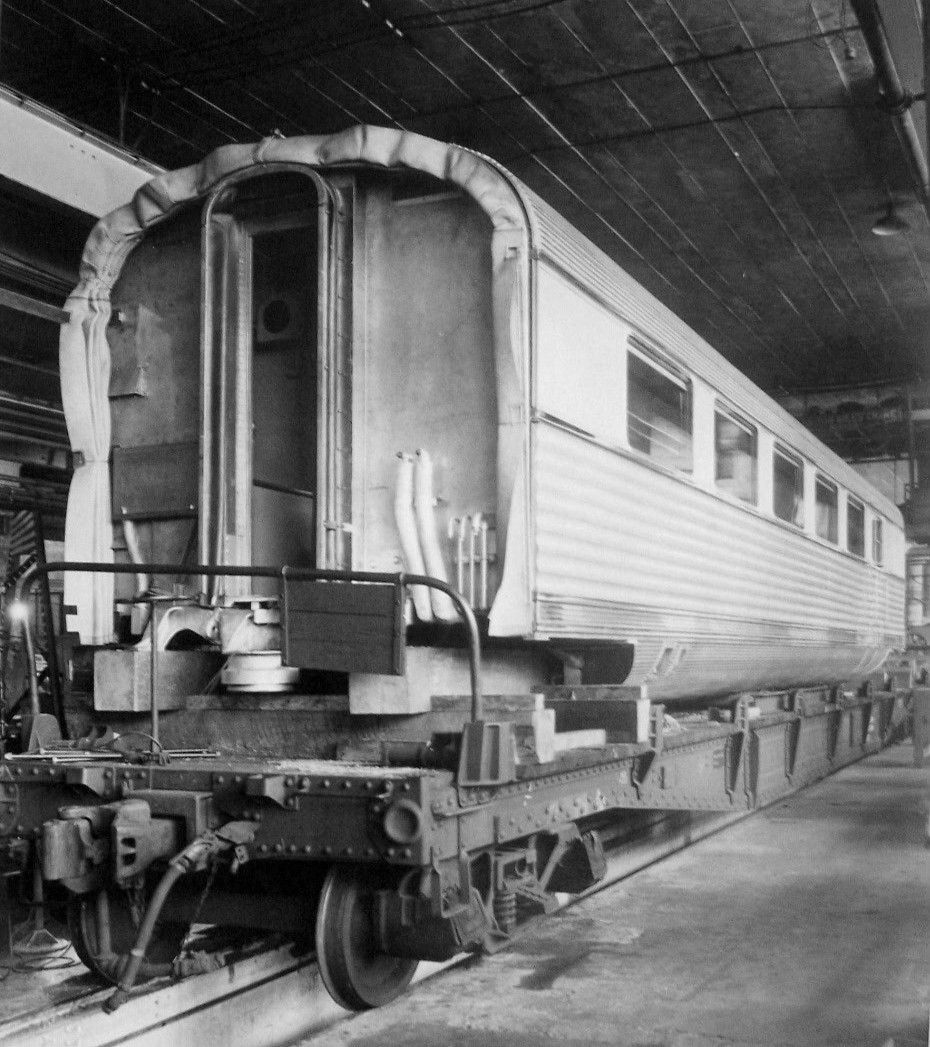
CB&Q Photo of Zephyr coach #525 on a flatcar at the Budd Company plant in Philadelphia, ready for delivery to the Q. The articulated coupling is visible. This is the fourth car of the Pioneer Zephyr.
Budd Company Photograph
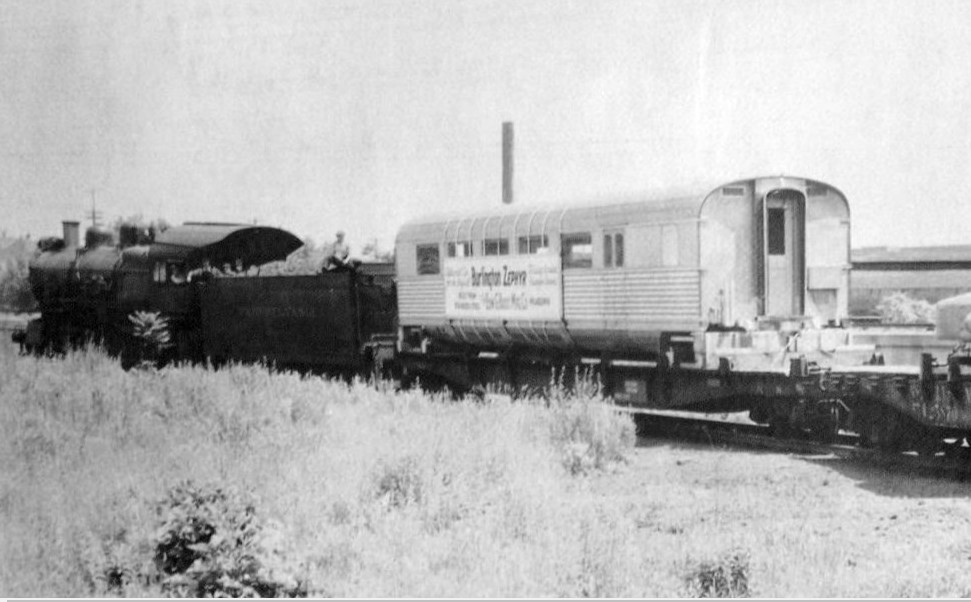
CB&Q Photo of Zephyr coach #525 on a flatcar at the Budd Company plant in Philadelphia. The articulated coupling is visible. Behind it is a second flat car loaded with the single additional truck needed for the addition to the #9900. This is the fourth car of the Pioneer Zephyr..
Budd Company Photograph
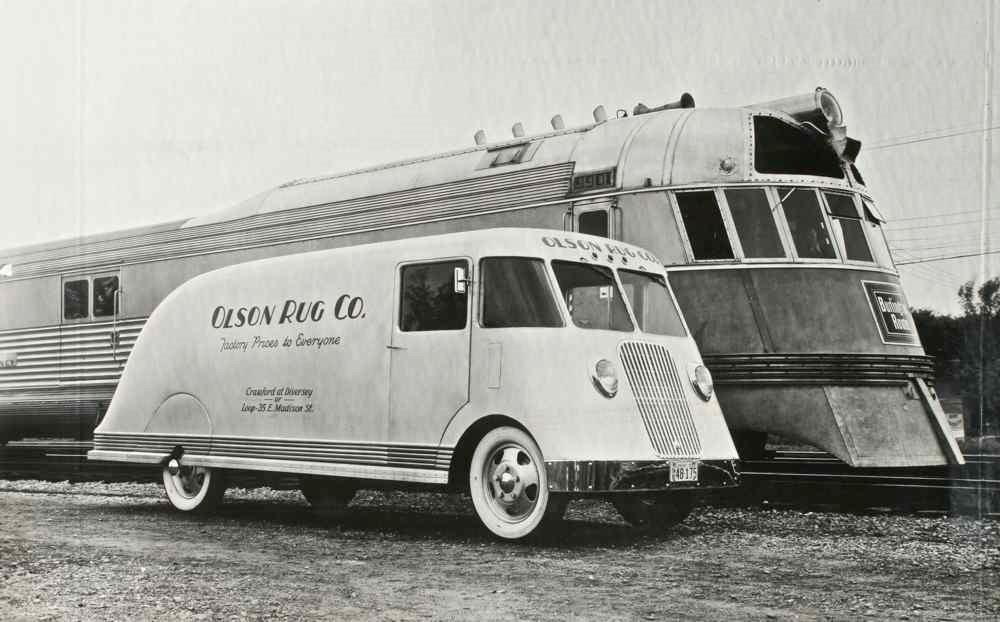
An Olson Rug Truck mimicked the aerodynamic design of Burlington Zephyr #9901 -
Lopatka.net
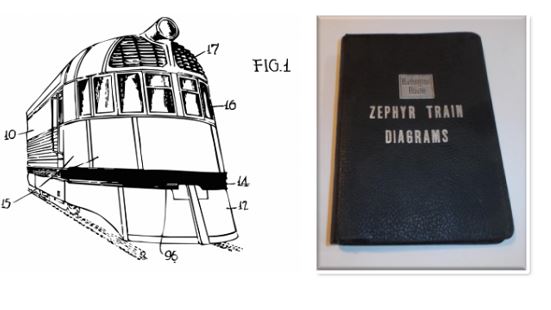
An early Zephyr diagram book is seen above.
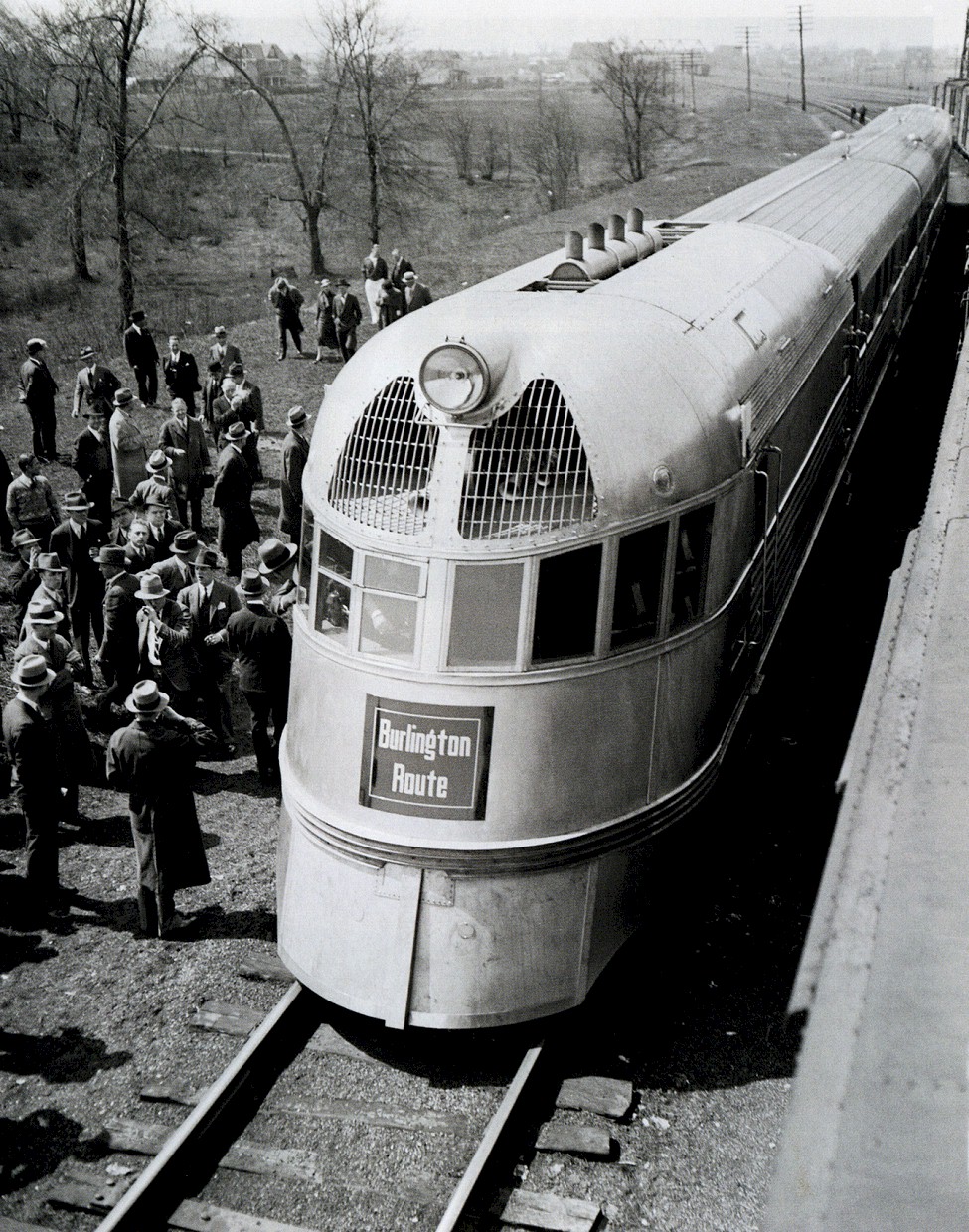
No date or information was provided with this photo... but it was likely taken soon after the Zephyr 9900 train set rolled out of Budd's Philadelphia plant in April 1934.
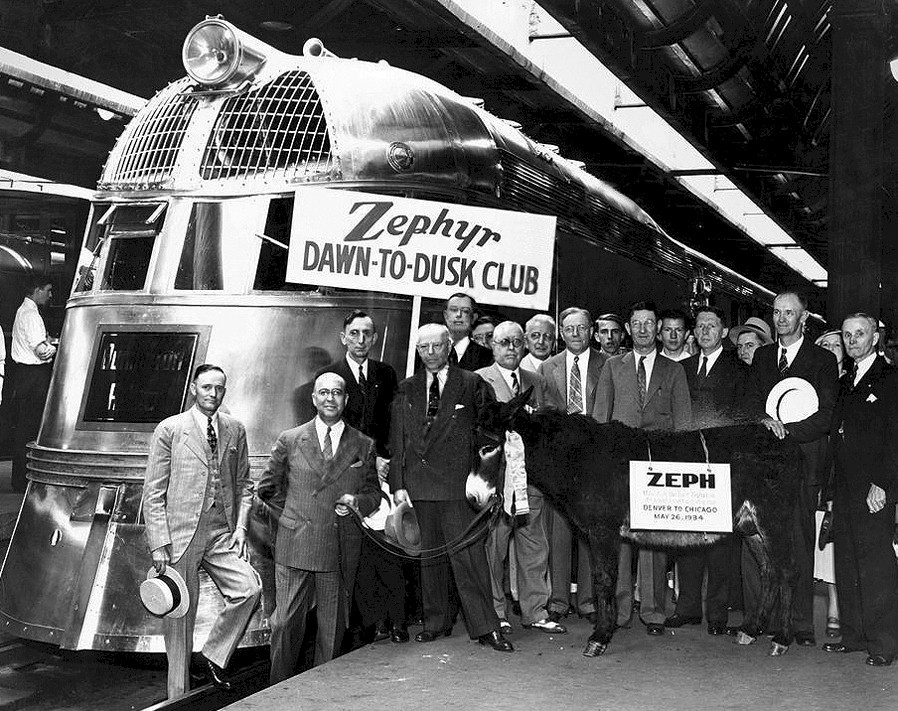
This photo was quite famous at the time but has since faded into relative obscurity. It was taken by the Chicago Tribune, directly after the train completed its historic non-stop run from Denver to Chicago on May 26, 1934. Featured in the picture were those aboard, as well as the mascot burro "Zeph."
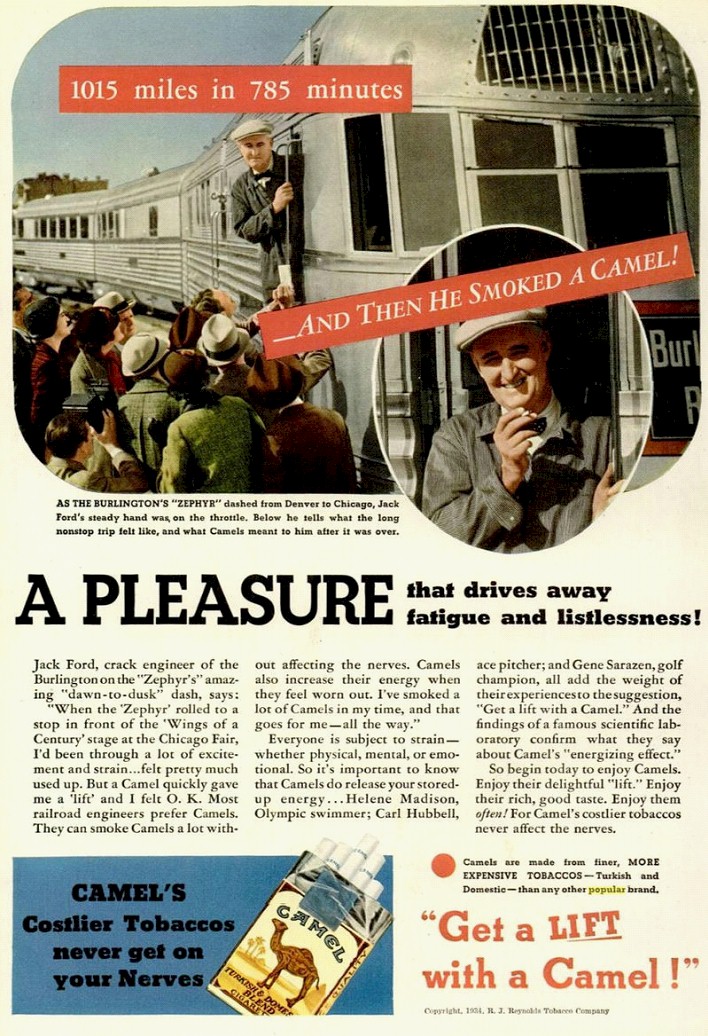
Cigarette ad showing the Pioneer Zephyr train and describing the run in 1934.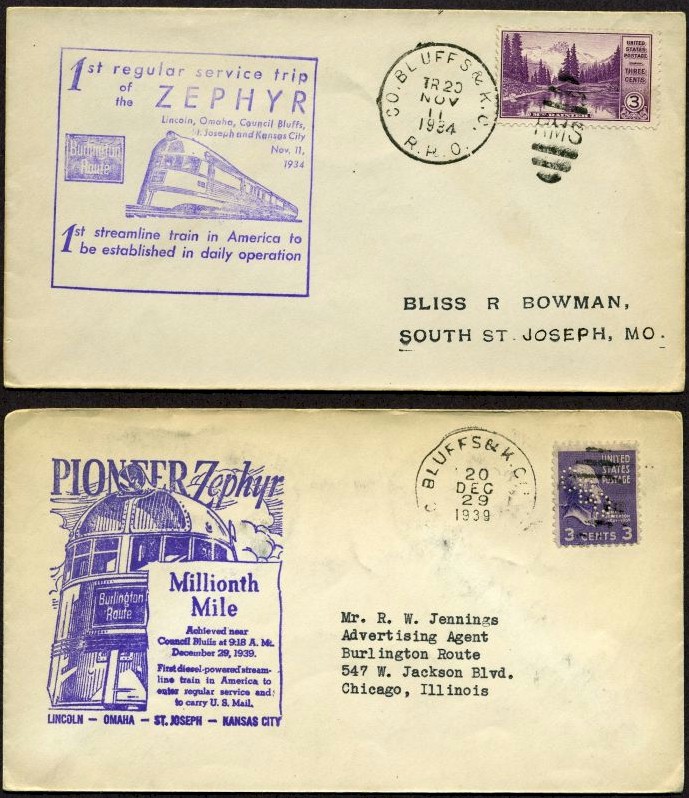
Commemorative postal covers that were carried aboard the Pioneer Zephyr for its first revenue run on November 11, 1934 (top), and as it crossed the one million mile mark, on December 29, 1939 (bottom).
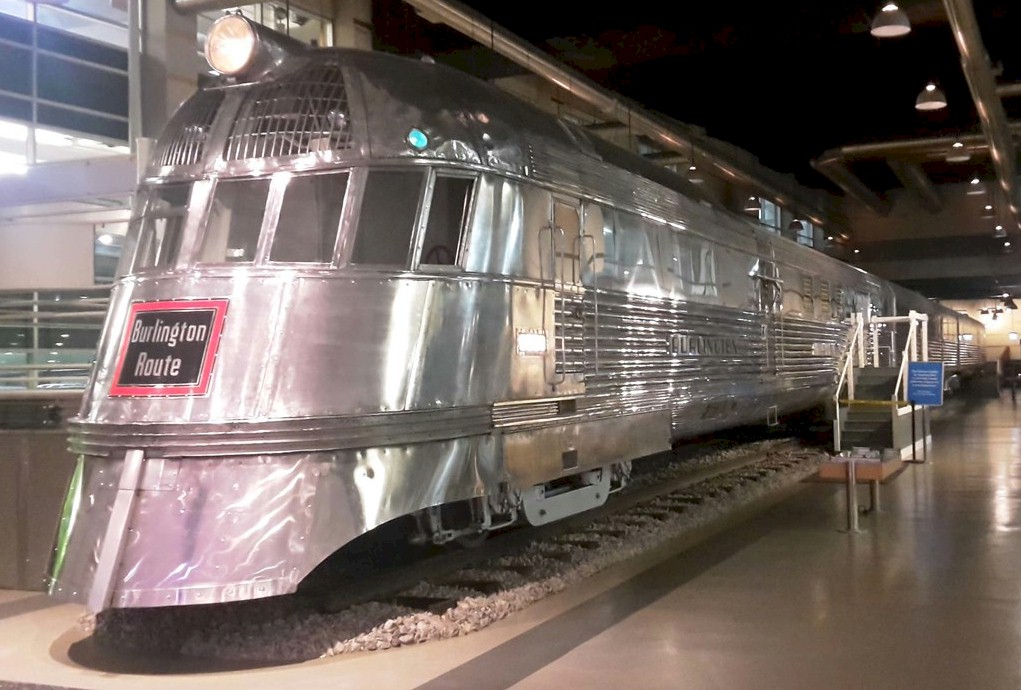
The Pioneer Zephyr is on display at Chicago's Museum of Science and Industry.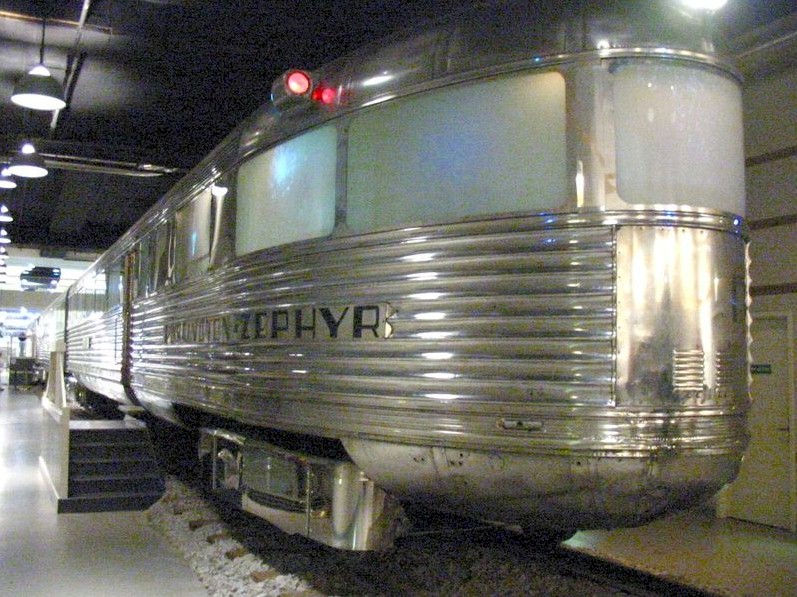
The Pioneer Zephyr is on display at Chicago's Museum of Science and Industry.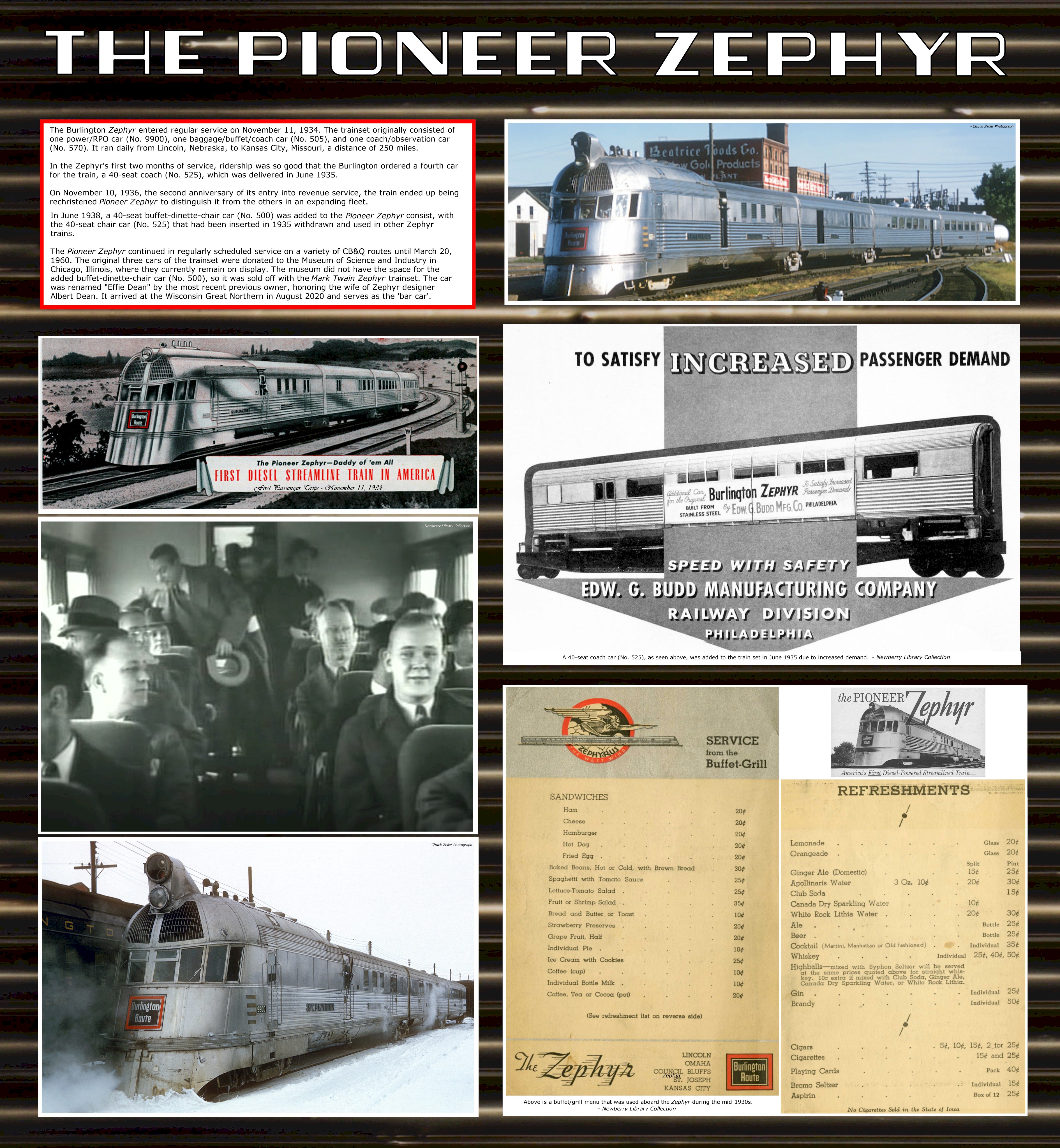

and are available for purchase at www.RailFonts.com.